
Yes, you can sell your car even if you still owe money on it. In fact, many people wonder, “Can I sell my car if I still owe money on it?” This article will explain what you need to know about your loan, how to determine your car’s equity, and the steps to complete the sale. The process applies whether your vehicle is financed through an auto loan or another type of car loan.
Introduction to Selling a Financed Car
Selling a financed car when you still owe money on it can feel overwhelming, but it’s a common situation for many car owners. Whether you’re looking to upgrade to a new car or simply want to get out of your current loan, understanding the process is crucial. When you have a loan balance on your vehicle, you’ll need to work closely with your lender to ensure everything is handled correctly. This includes knowing how much you still owe, what steps are required to pay off your current loan, and how to transfer ownership to the new buyer. By preparing in advance and understanding the requirements for selling a car with an outstanding loan, you can avoid surprises and make the process of selling your financed car as smooth as possible.
Key Takeaways
- Understand your car loan and payoff amount before attempting to sell, as it can impact your selling options.
- Determine your car’s equity by comparing its market value to your loan balance to see if you have positive or negative equity.
- When selling, consider your options: private sale may yield more cash, while trading in at a dealership simplifies the process but may involve handling negative equity.
Understanding Your Car Loan
Before you start the process of selling your car, understanding your new car loan is essential. Knowing the ins and outs of your current loan can save you from potential pitfalls and ensure a smooth transaction.
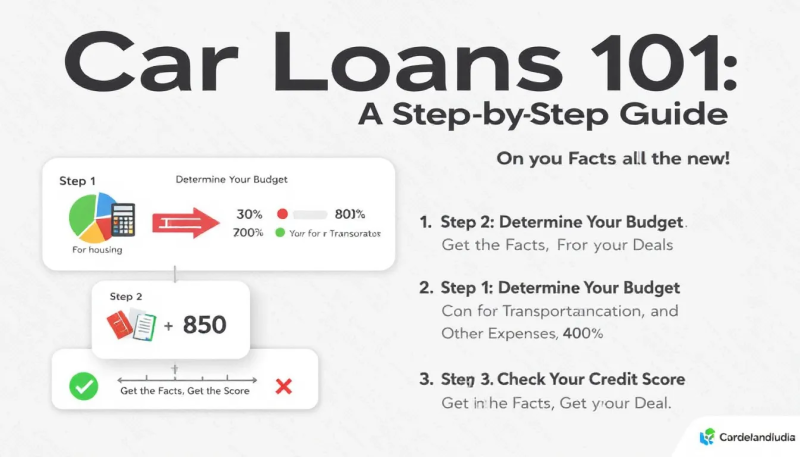
Start by listing how much you owe on your loan. This is often referred to as the payoff amount, which includes both the principal balance and any accrued interest rate charges. To find this figure, contact your lender directly. Many lenders have different procedures and requirements for providing payoff amounts and handling the sale of a financed vehicle, so it's important to check with your specific lender.
Keep in mind that loan interest accrues daily, which means the payoff balance may differ from your last statement balance.
Also, inquire about any prepayment penalties and specific procedures required to sell your financed car. Being thorough in this step will set you up for success in the subsequent steps of selling your car.
Assessing Your Car's Equity
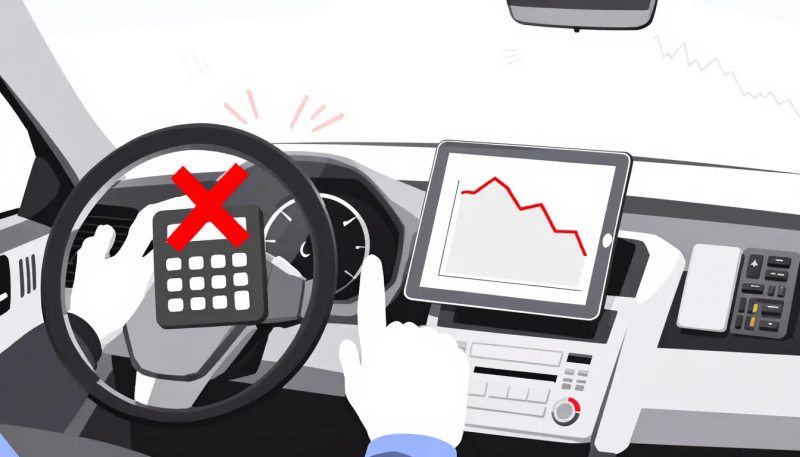
The next critical step is knowing your car’s equity. Car equity is calculated by subtracting what is still owed on your loan from the vehicle’s current market value. This tells you whether you have positive or negative equity.
Determining the current market value of your car is essential. Here are some steps and tips to help you with this process:
- Use tools like Kelley Blue Book to get accurate appraisals.
- Compare the market value to your loan payoff amount to see if you have positive equity.
- Maintain your car’s condition to help preserve its value, as knowing what your car is worth can aid in this.
- Pay down your loan faster to improve your equity over time.
Knowing whether you have positive or negative equity will guide your next steps and influence your decisions when selling your car.
Calculating the Payoff Amount
Before you can sell your financed car, it’s essential to determine the exact payoff amount—the total sum you still owe on your car loan. This figure includes your outstanding balance, any accrued interest, and possible fees for early repayment. To get an accurate payoff amount, contact your lender directly or check your online loan account. Knowing this number is key to understanding whether you have positive or negative equity in your vehicle. Use resources like Kelley Blue Book to estimate your car’s current market value and compare it to your payoff amount. If your car’s value is higher than what you owe, you have positive equity; if it’s lower, you’re dealing with negative equity. Accurately calculating your payoff amount ensures you’re prepared for the next steps in the sale and helps you avoid any last-minute issues.
Selling With Positive Equity
Positive equity means your car’s market value is greater than the remaining loan balance. This is the ideal scenario when selling your car, as it allows you to walk away with extra cash that can be used as a down payment for your next car.
With positive equity, you can sell privately or trade in at a dealership. Private-party sales often yield a higher price compared to dealer trade-ins, making it a preferred option for many sellers. Selling privately can result in more money for the seller. The buyer usually pays the loan amount directly to the lender, with any remaining balance going to you.
Selling with positive equity is straightforward and financially beneficial, offering a smoother transition to your next vehicle.
Selling With Negative Equity

Negative equity happens when you owe more on your car loan than the car’s current market value. Being “upside down” on your loan requires a bit more strategy. Negative equity means being in this situation.
If the sale price is lower than your loan balance, you must cover the difference to complete the sale. You can pay off the negative equity upfront or roll the balance into a new loan if you’re trading in the car. Be aware that rolling negative equity into a new loan can result in a higher monthly payment.
Negotiating carefully with the dealership is essential when trading in a car with negative equity. Knowing the implications of negative equity helps in making informed decisions and avoiding financial strain.
Private Sale Process
Selling your car privately can be rewarding but also involved. Planning and preparation are key to a successful sale. Here are the important steps:
- Research car prices of similar cars in your area to set a competitive price.
- Prepare your car by cleaning, making necessary repairs, and completing any due service. If you are still making payments on the car, be transparent with potential buyers about the remaining balance and explain the process for transferring ownership.
- Gather essential documents like the title, service records, and a vehicle history report.
- Create a detailed listing including make, model, year, special features, and high-quality photos for selling a car.
When a car sells privately, the seller must ensure the remaining loan balance is paid off before transferring ownership.
Screen potential buyers effectively to avoid dealers, time-wasters, and scammers once inquiries start coming in. This ensures a smooth and secure private sale where items are sold to a private buyer.
Trading In at a Dealership

Trading in your current vehicle at a dealership is a straightforward process, especially if you still owe money on your loan. The dealership will handle the paperwork and pay off your existing loan, ensuring the car title is transferred correctly when you decide to sell a car sale.
Knowing your car’s trade-in value is crucial for effective negotiation. Get written confirmation that your loan has been paid off and ensure all necessary paperwork is completed to validate the trade.
If you have negative equity, discuss options such as rolling the balance into your new loan or trading for a more affordable vehicle. This can help manage your financial obligations more efficiently. If you plan to purchase a replacement car after trading in, understanding your payoff process is essential to ensure a smooth transition.
If you want a faster, more flexible alternative to the dealership route, Direct Car Buyers can help. We buy cars even if you still have a loan balance—and we’ll walk you through the entire payoff process step by step.
Ready to see what your car’s worth? Get your free quote now and let us take care of the heavy lifting.
The Role of the Lending Institution
Your lending institution is a central player in the process of selling a financed car. Before you can transfer ownership to a new owner, your lender will require that the loan balance is paid in full. This often means coordinating with your local bank or the lender’s office to finalize the transaction. Some lenders may require you and the buyer to complete the sale at a bank branch, while others may allow you to use a network of banks to facilitate the process. Be sure to ask about any prepayment penalties or additional fees that may apply when paying off your loan early. Understanding your lender’s specific requirements will help you avoid delays and ensure a smooth sale for both you and the buyer.
Working with Your Lender
Coordinating with your lender is a critical step when selling a financed car. Ask your lender for the cost to pay off the loan, including any interest or fees. Clear the outstanding balance to complete the sale process with your lender.
Once the loan is paid off, your lender will release the lien. They will also send the car’s title to you. If you can’t pay off the loan before selling, arrange for the buyer to pay the lender directly. Local banks or credit unions may require bringing the buyer in person to sign paperwork.
Close coordination with your lender ensures a smooth new owner transition and avoids legal complications.
Understanding the Loan Payoff Process
The loan payoff process is a critical step when selling your car, whether you choose a private sale or trade in at a dealership. If you’re selling your car privately, you’ll need to make sure the buyer pays off the remaining loan balance, either directly to the lender or through an escrow service, before the title can be transferred to the new owner. For those trading in at a dealership, the dealer typically handles the loan payoff and all related paperwork, making the process more convenient. Regardless of the method, it’s important to confirm that the loan is fully paid off and the title is clear before completing the sale. Understanding how the loan payoff process works will help you avoid complications and ensure a successful transfer of ownership.
Trading In at a Dealership

Handling Paperwork and Title Transfer
Handling all the paperwork and title transfer is the final step in selling your car. Some lenders insist on paying off the loan balance before releasing the title. This means you must clear the outstanding balance to transfer ownership.
Conduct the sale at the lien-holding institution to ensure a smooth title transfer. The bill of sale should include the amount paid and the purchase date. Managing this step properly ensures a legal and hassle-free sale.
Potential Buyer Concerns
Addressing potential buyer concerns is crucial when selling your car. Clarify loan details before a prospective buyer test drives the vehicle. Maintaining open communication can streamline the sales experience.
Involving a lending institution, such as a credit union or bank, can boost buyer confidence during a loan-related transaction. Being honest about the car’s history and condition helps build buyer trust. Effectively addressing these concerns can lead to a successful sale.
Considering a Personal Loan
If you’re finding it difficult to pay off your car loan before selling, a personal loan might be a helpful solution. Taking out a personal loan can provide the funds needed to pay off your car loan and clear the title, making it easier to transfer ownership to the new owner. Before proceeding, carefully review the terms of the personal loan, including the interest rate and monthly payments, to ensure it fits your budget. Consulting with a credit union or local bank can help you find the best rates and terms for your situation. By using a personal loan to pay off your outstanding balance, you can simplify the sale process and avoid potential roadblocks when selling your vehicle.
Alternatives to Selling
Consider alternatives if selling your car isn’t the best option. Refinancing your car loan can modify the loan agreement to alleviate financial burdens. With good credit, consider taking a personal loan. This can help cover any outstanding loan balance before you sell your car.
Leasing a new vehicle is another option if selling isn’t viable. Alternatively, postpone the sale until the loan is fully paid or your equity becomes positive. Exploring these options can help you better manage your financial situation.
Summary
Selling a financed car requires careful planning and understanding of your loan and equity. Whether you have positive or negative equity, this guide provides the steps to make informed decisions and ensure a smooth sale.
Remember, the key is to know your loan details, assess your car’s equity, and choose the best selling method for your situation. With the right preparation and knowledge, you can navigate this process with confidence and ease.
Frequently Asked Questions
Can I sell my car if I still owe money on it?
Absolutely, you can sell your car even if you owe money on it. Just make sure to either pay off the loan first or have the buyer pay the lender directly before you transfer the title.
How do I find out my car’s equity?
To figure out your car's equity, just subtract what you still owe on the loan from its current market value, which you can find using tools like Kelley Blue Book. This gives you a clear picture of how much equity you have!
What happens if I have negative equity when selling my car?
If you're in a situation of negative equity when selling your car, you'll need to pay the difference between what you owe on the loan and the sale price. You can either settle that amount upfront or roll it into a new loan if you decide to trade in your car.
How does trading in at a dealership work?
Trading in at a dealership means they’ll take care of paying off your loan and handling the paperwork for you. Just make sure you know your car’s trade-in value and get written confirmation of the loan payoff.
What are my alternatives if selling isn’t the best option?
If selling isn’t the best option for you, consider refinancing your car loan, taking out a personal loan, leasing a new vehicle, or simply waiting until you have positive equity. These alternatives can help you make a more beneficial decision.